


AURA develops and manufactures electric process heating systems for industrial applications. Electrically heated systems convert electrical energy directly into process heat without combustion and can be precisely adapted to the actual heat demand. Depending on the application, AURA systems can heat thermal oil, generate steam or provide compact, modular process heat solutions.
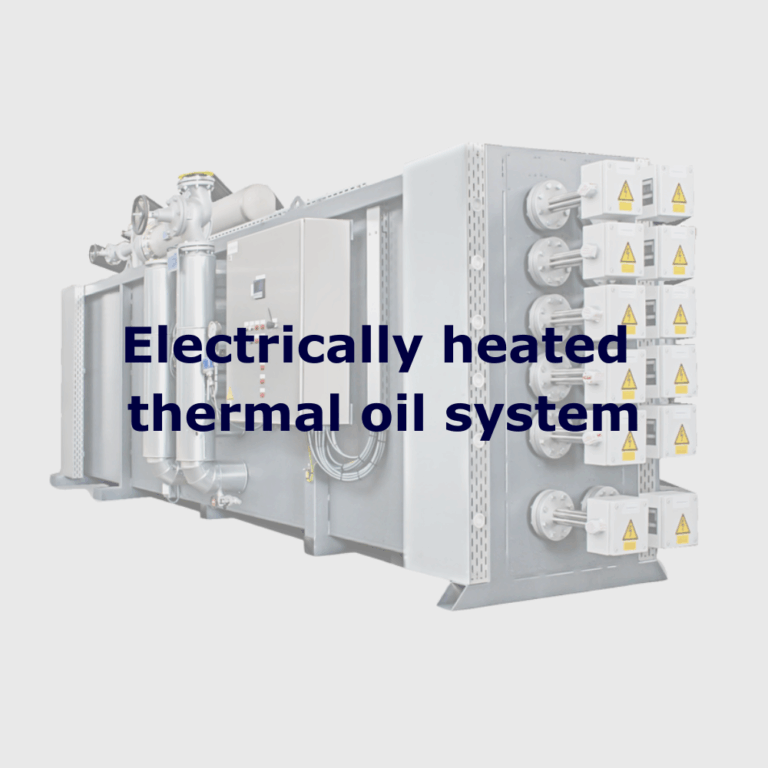
Electrically heated thermal oil systems are suitable for industrial processes requiring controlled high-temperature process heat. AURA systems can reach temperatures of up to 450 °C. Individual heaters are available from 100 kW to 6,000 kW, with several heaters able to be combined in modular configurations.
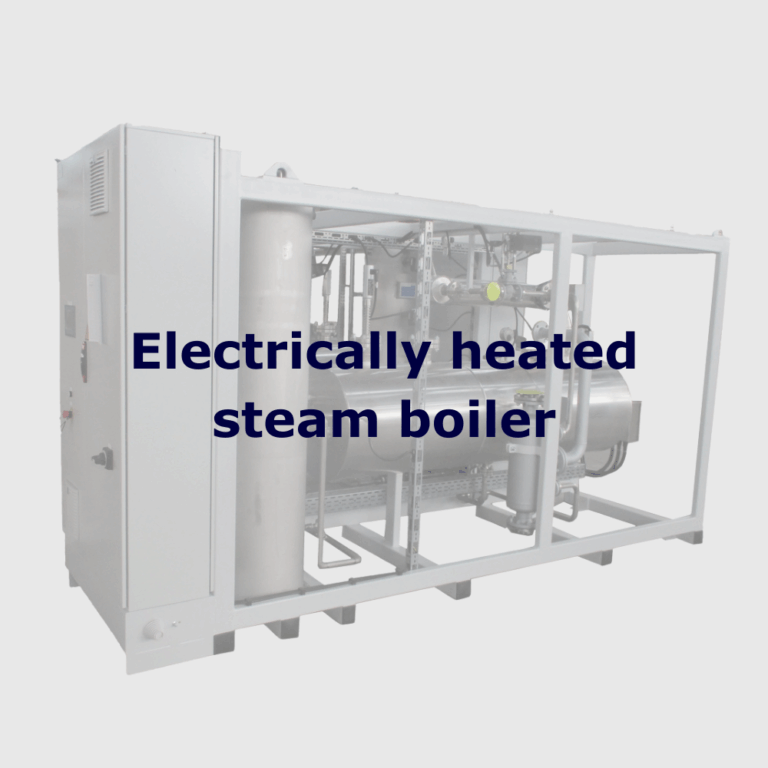
AURA electrically heated steam generators generate process steam by controlled evaporation of feedwater. They are available with heating capacities from 20 to 3,000 kW and steam temperatures of up to 210 °C.
Reduce direct emissions: Where no fuel is combusted, electrically heated systems produce no combustion-related CO₂ or NOx emissions at the installation site. The overall carbon footprint of the heat supply depends on the electricity source. When renewable electricity is used, electric process heat can become an important part of an industrial decarbonisation strategy.
Precise and fast control: Electric heating output can be adjusted quickly and continuously to match process demand. This enables precise temperature control and stable production conditions.
Reduce combustion-related maintenance: Electric systems do not require burners, fuel supply systems or combustion-related components. This can reduce the associated maintenance effort.
Integrate renewable electricity: Electric process heat can be supplied with electricity from renewable sources and can therefore be integrated into broader electrification and decarbonisation strategies.
Compact system design: Electric heaters can often be designed with a compact footprint and integrated into existing production environments, particularly where installation space is limited.
No fossil-fuel infrastructure required: Electric heat generation does not require a gas or oil supply. This can be an important advantage for new production sites or locations where fossil-fuel infrastructure is unavailable.
Electric process heat is particularly attractive when direct combustion emissions need to be reduced, fossil fuels are to be replaced, renewable electricity is available or precise and fast heat control is required.
Yes. Electric process heat can be supplied using electricity generated from renewable sources. This makes electrification an important option for reducing the carbon footprint of industrial heat generation.
Yes. Depending on the application, electrically heated systems can be designed for use in hazardous areas and with suitable explosion-protection requirements.
Yes. Depending on the existing system, parts of the heat transfer circuit, consumers and infrastructure may be retained while the fossil-fuel-based heat generator is replaced or supplemented by an electric solution. See also Electrifying Industrial Process Heat for more information.
Yes, electric process heating can provide high thermal outputs. The decisive factor is whether sufficient electrical capacity is available at the production site.
For higher heating capacities, several electric heaters can also be combined in a modular system. This allows electric process heating to be scaled to multi-megawatt applications. The required capacity, temperature, load profile and available electrical infrastructure should be evaluated during the planning stage.

After the click you can look directly into our calendar and choose a suitable appointment with one of our employees.