


Many industrial processes generate hot exhaust gases that still contain valuable thermal energy. Instead of releasing this energy unused into the atmosphere, industrial waste heat recovery systems can transfer it to a suitable heat transfer medium and make it available for other production processes.
By recovering waste heat from industrial exhaust gases, companies can reduce the need for additional heat generation, lower energy consumption and improve the overall efficiency of their process heating systems.
AURA develops and manufactures customized waste heat recovery systems for industrial applications. Depending on the available waste heat source and process requirements, recovered thermal energy can be transferred to thermal oil, water or steam. Our solutions are individually engineered according to exhaust gas temperature, flow rate, operating conditions and the required process heat demand.
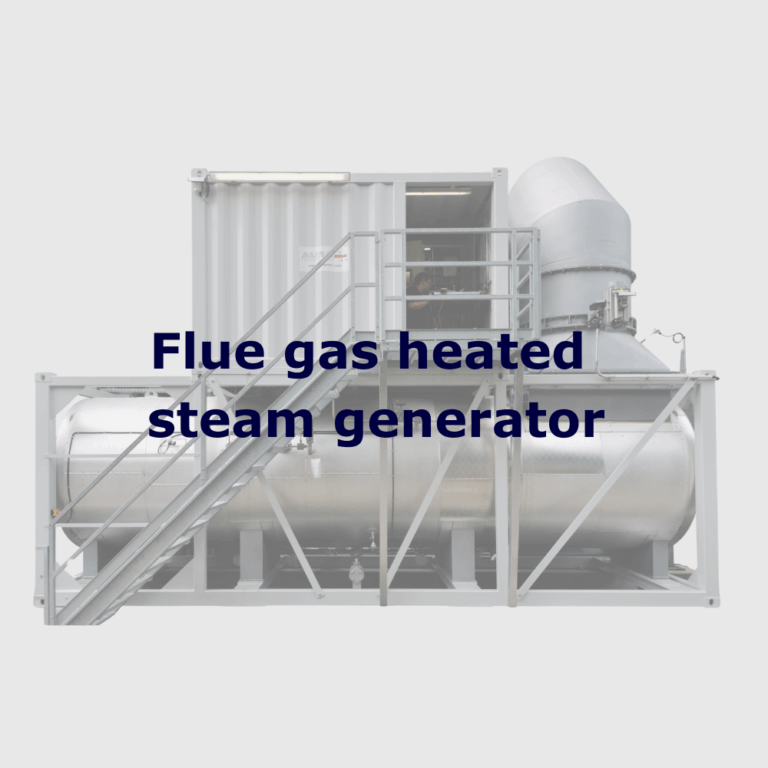
Flue gas heated steam generators use the thermal energy of hot industrial exhaust gases to generate process steam. The recovered heat is transferred to feedwater through a heat exchanger, causing the water to evaporate. The generated steam can supplement an existing steam supply and reduce the need for additional fuel-fired steam generation. This solution is particularly suitable for industrial facilities with available high-temperature exhaust gases and a corresponding demand for process steam.
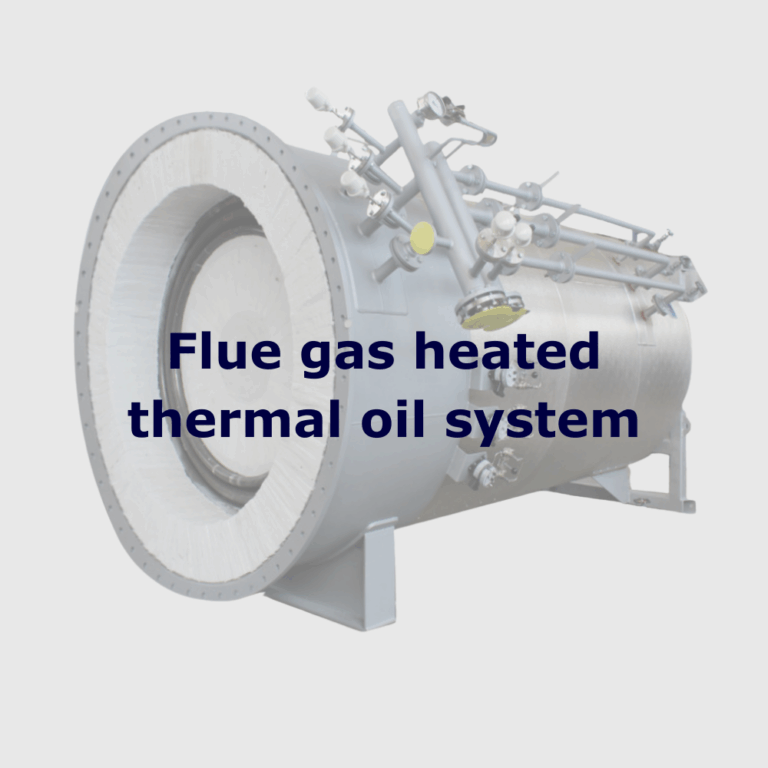
Flue gas heated thermal oil systems transfer thermal energy from hot exhaust gases to circulating thermal oil. The heated thermal oil then supplies connected industrial consumers with process heat. AURA develops flue gas heated thermal oil systems with heating capacities of up to 15 MW and thermal oil temperatures of up to 430°C. These systems are particularly suitable for industrial applications requiring high-temperature process heat and continuous waste heat utilization.
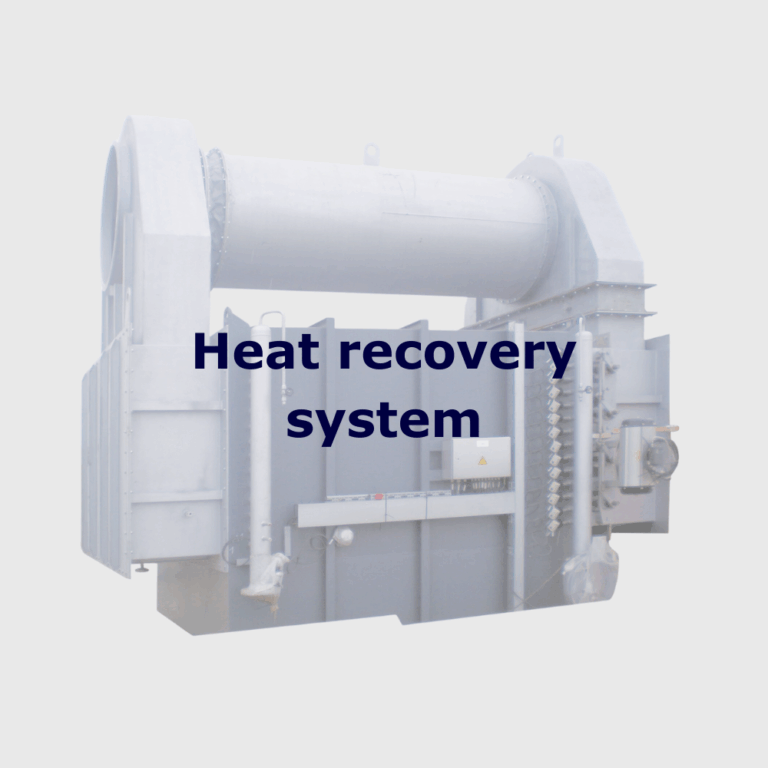
Gas turbines generate high-temperature exhaust gases that can contain substantial amounts of recoverable thermal energy. A Waste Heat Recovery Unit (WHRU) transfers this energy to a suitable process medium, such as thermal oil, water or steam. AURA develops individually engineered WHRU systems for demanding industrial applications, including power generation, oil and gas processing and offshore installations. The system design depends on the available exhaust gas temperature, flow rate, pressure conditions and required heating capacity.
Yes. Depending on the existing infrastructure and operating conditions, waste heat recovery systems can be integrated into existing production facilities.
For example, a flue gas heat exchanger can recover energy from an existing exhaust gas stream and transfer it to a thermal oil circuit or steam generation system.
The recovered heat can supplement an existing process heating system, reducing the amount of additional energy required.
Whether an existing heat generator can be partially or completely replaced depends on the availability of waste heat and the requirements of the connected process consumers.
AURA evaluates the available waste heat source, existing heat transfer systems and process requirements to develop a suitable integration concept.
Industrial waste heat recovery uses thermal energy that would otherwise be discharged unused from a production process.
In many industrial applications, hot exhaust gases from turbines, engines, furnaces or combustion processes contain significant amounts of recoverable energy.
A waste heat recovery system transfers part of this thermal energy to a suitable heat transfer medium through a specially designed heat exchanger.
The process typically involves four steps:
1. Identify the waste heat source
Hot exhaust gases or other suitable waste heat streams are available from an industrial process.
2. Recover thermal energy
The waste heat stream passes through a heat exchanger, where part of its thermal energy is transferred to another medium.
3. Heat the process medium
Thermal oil or water absorbs the recovered energy. Depending on the system design, steam can also be generated.
4. Supply industrial process heat
The recovered thermal energy is supplied to suitable heat consumers within the production process.
The actual recoverable heat depends on the exhaust gas temperature, mass flow, gas composition, operating conditions and required outlet temperature.
Waste heat recovery is particularly attractive when suitable waste heat is available for many operating hours and can replace additional purchased energy.
The economic viability depends on recoverable heating capacity, operating hours, energy prices, investment costs and integration requirements.
Yes. Depending on the existing infrastructure and technical conditions, waste heat recovery systems can be integrated into existing industrial processes.
The required modifications depend on the available waste heat source and the heat consumers.
Waste heat recovery can reduce CO₂ emissions when recovered thermal energy replaces heat that would otherwise be generated through additional fuel combustion.
The actual reduction depends on the amount of recovered energy and the previous heat generation technology.
Yes. AURA develops waste heat recovery systems for demanding industrial environments, including offshore and oil and gas applications.
For example, waste heat from gas turbine exhaust gases can be recovered and transferred to thermal oil for industrial process heating.

After the click you can look directly into our calendar and choose a suitable appointment with one of our employees.