


AURA develops and manufactures industrial heat transfer systems that efficiently transfer thermal energy between different heat transfer media.
In industrial production, heat is often available in one medium but required in another. For example, an existing thermal oil system may supply heat to a steam generator, or steam may be used to heat a thermal oil circuit.
AURA designs customized heat transfer solutions that connect different thermal systems and make existing thermal energy available for additional industrial processes.
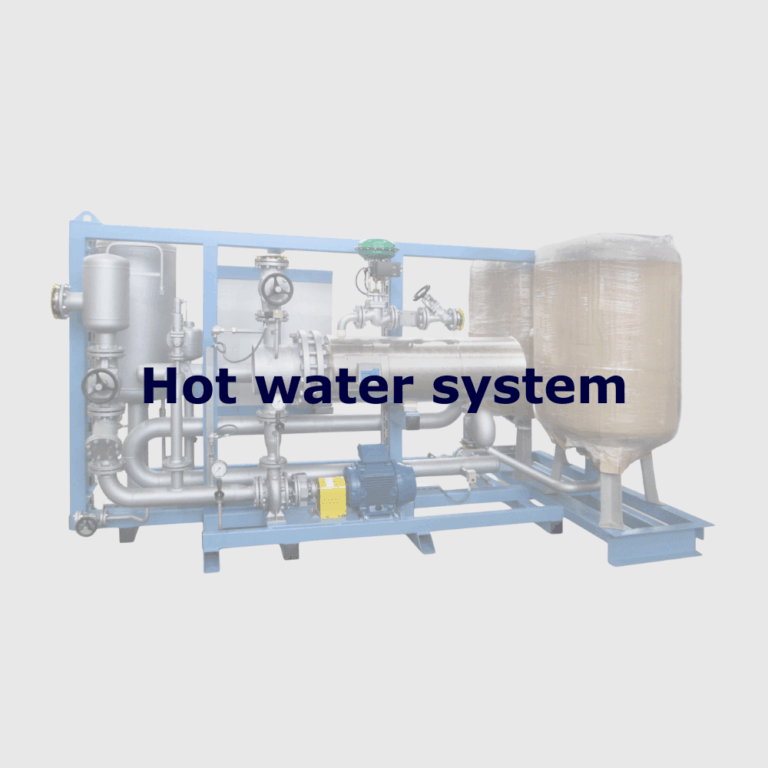
A hot water heating system generates process heat in the form of heated water, which is transported to industrial consumer temperatures in the medium temperature range are requried.
AURA hot water systems are available as fuel-fired, electric or exhaust gas-heated systems.
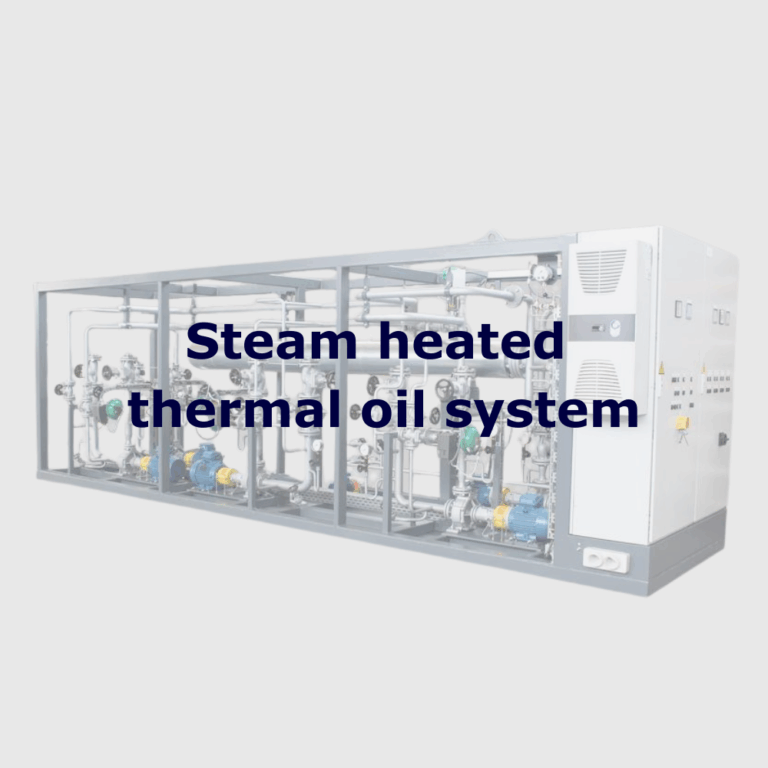
A steam-heated thermal oil system uses existing process steam as the primary energy source to heat thermal oil. The heat is trensferred from the steam to the circulating thermal oil via a heat exchanger – without additional firing.
This solution is particularly suitable for industrial systems where steam is already available, high-temperature process heat is required, and flexible temperature control at the consumer is needed.
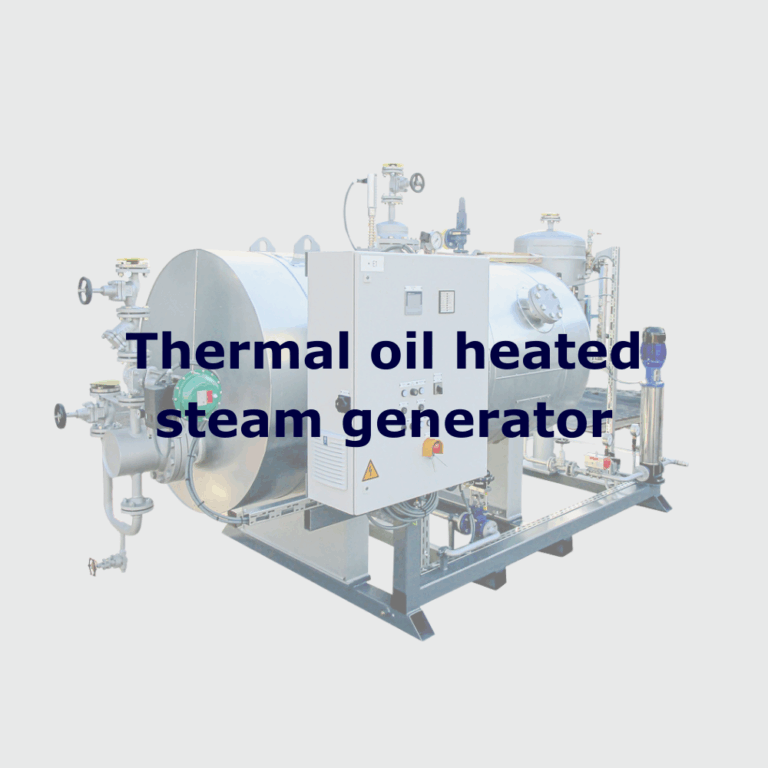
A thermal oil-heated steam generator uses hot thermal oil as the primary energy source to generate process steam. Heat is transferred via a heat exchanger from the thermal oil to feedwater, which is then evaporated in a controlled manner.
This solution is ideal for operations where a thermal oil system is already in place and additional steam is required for individual process steps – without using a seperate firing system.
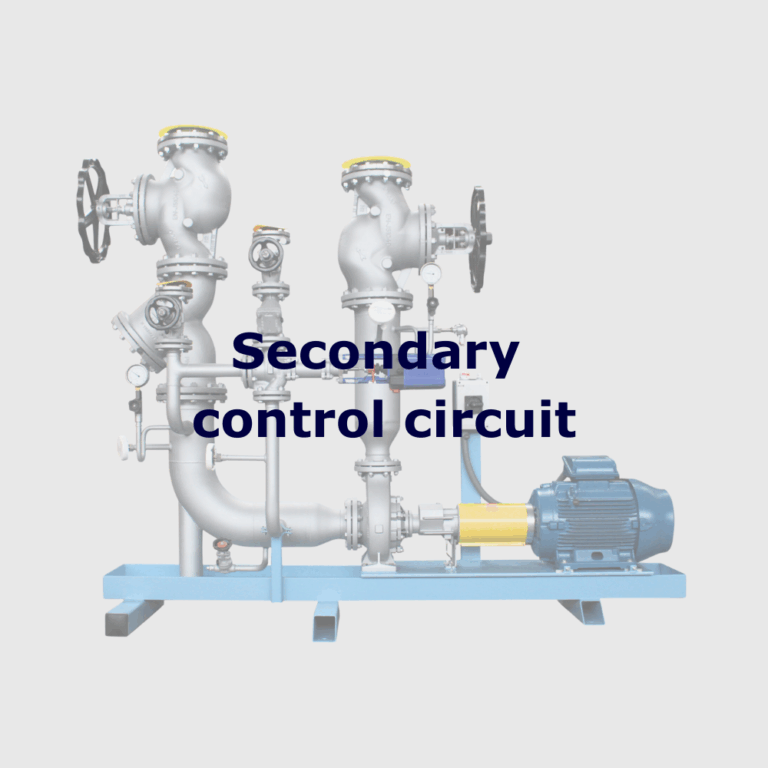
A secondary control circuit is an additional control loop within a thermal oil system. It is used to regulate the temperature directly at the consumer with high precision – independently of the temperature in the primary circuit. Secondary control circuits are used when individuel consumers have different or particularly constant temperature requirements.
Industrial heat transformation involves transferring thermal energy from one heat transfer medium to another through a heat exchanger.
The primary medium supplies the thermal energy, while the secondary medium absorbs the heat and transports it to the connected process consumers.
The process typically involves four steps:
The two media remain separated during heat transfer.
This allows different process heating circuits to be connected while maintaining their individual operating conditions.
Industrial heat transfer systems are particularly suitable when thermal energy is already available but must be transferred to a different medium or temperature level.
Typical situations include:
AURA evaluates the existing heat supply and the requirements of the connected consumers to determine a suitable system configuration.
Not necessarily. If sufficient thermal energy is already available in the primary heat transfer medium, a separate burner at the heat transfer unit is not required.
However, the primary heating system must provide sufficient energy to meet the additional process demand.
Yes. Depending on the existing infrastructure and operating conditions, industrial heat transfer systems can be integrated into existing installations.
A technical assessment determines which components can be reused and what modifications are necessary.
Yes. A central heat source can supply different process heating circuits through suitable heat exchangers.
For example, a thermal oil system can provide heat directly to thermal oil consumers and indirectly to a steam generator.
However, transferring heat between media does not generate additional energy. The actual economic benefit depends on the available heat source, system efficiency and operating conditions.
AURA evaluates the available primary heat source, required secondary medium, heating capacity, operating temperatures, flow rates and process requirements.
For existing installations, the available infrastructure and potential integration requirements are also considered.
Based on these parameters, AURA develops an individually engineered heat transfer solution.

After the click you can look directly into our calendar and choose a suitable appointment with one of our employees.