


A flue gas heated thermal oil system uses the thermal energy of hot exhaust gases to generate high-temperature process heat. Instead of releasing valuable waste heat into the atmosphere, the energy is transferred to circulating thermal oil through a specially designed heat exchanger.
This allows industrial companies to recover existing thermal energy, reduce additional fuel consumption and improve the overall energy efficiency of their production processes.
AURA develops and manufactures flue gas heated thermal oil systems with heating capacities of up to 15 MW and thermal oil temperatures of up to 430 °C.
Heating medium: Flue gas / exhaust gas
Flue gas temperature: 600–1,200 °C
Heat transfer medium: Thermal oil
Thermal oil temperature: Up to 430 °C
Heating capacity: Up to 15,000 kW
System design: Individually engineered
Application: Industrial waste heat recovery
The actual recoverable heating capacity depends on the available flue gas temperature, mass flow, gas composition and required thermal oil temperature.
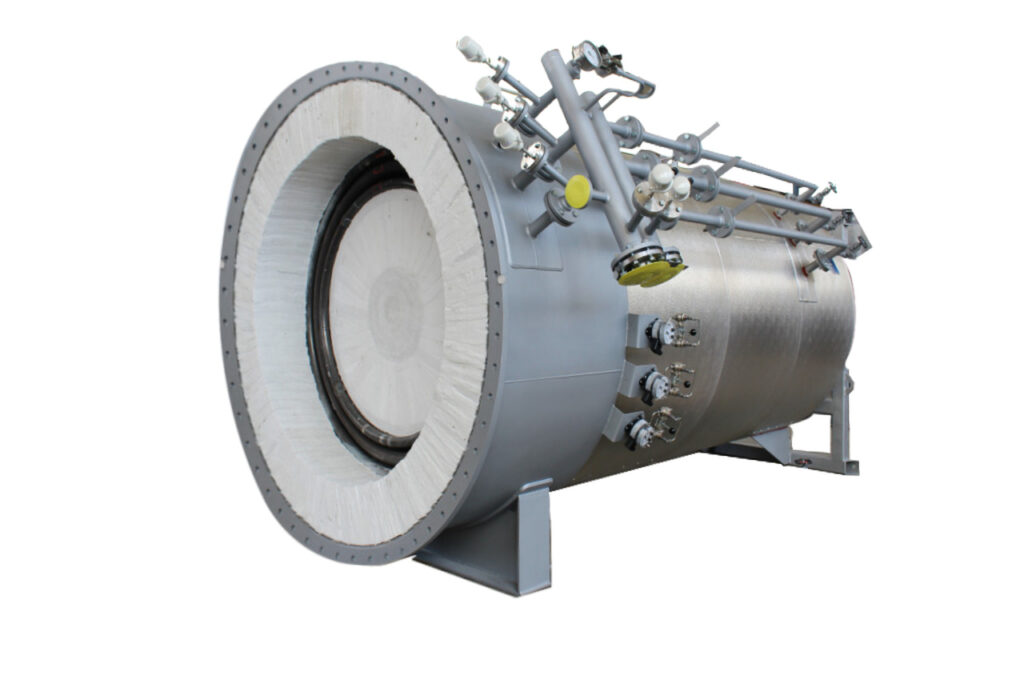
Many industrial processes generate hot exhaust gases that still contain considerable amounts of thermal energy.
A flue gas heated thermal oil system recovers this energy and makes it available for other industrial processes.
The operating principle consists of four steps:
Automated temperature control ensures that the thermal oil temperature is adjusted to the process requirements.
The result is a reliable supply of industrial process heat using energy that would otherwise remain unused.
The system is particularly suitable when high-temperature exhaust gases are continuously available and there is a corresponding demand for industrial process heat. The economic viability depends on the available waste heat, operating hours and required heating capacity.
AURA flue gas heated thermal oil systems can be designed for flue gas temperatures ranging from approximately 600 °C to 1,200 °C. The actual operating range depends on the exhaust gas composition, system design and required thermal oil temperature.
Yes. Depending on the existing infrastructure, a flue gas heated thermal oil system can be integrated into an existing thermal oil circuit.
The feasibility depends on the available waste heat, thermal oil temperatures, flow rates and installation conditions.
Waste heat recovery can reduce CO₂ emissions by replacing thermal energy that would otherwise be generated through additional fuel combustion.
The actual reduction depends on the existing heating system, operating hours and amount of recovered energy.
Flue gas heated thermal oil systems are particularly suitable for industrial processes where high-temperature exhaust gases are continuously available.
Typical waste heat sources include:
The suitability of a waste heat source depends on more than temperature alone.
Important factors include the available flue gas mass flow, gas composition, operating hours and the required process heat demand.
Flue gas heated thermal oil systems are used in industrial applications where high-temperature waste heat can be recovered and transferred to other processes.
Typical applications include:
AURA designs each system according to the available waste heat source and the specific process requirements.

After the click you can look directly into our calendar and choose a suitable appointment with one of our employees.