Das AURA Logo in klein und weiß
  1. Home
  2. /
  3. Secondary control circuit

Secondary control circuit for Industrial Process Heating

Precise temperature control for your system

Industrial production processes often require different operating temperatures, even when several heat consumers are supplied by the same heat source. An AURA secondary control circuit enables precise temperature control directly at individual process consumers, independently of the temperature in the primary heating circuit. By regulating the thermal energy supplied to each consumer, secondary control circuits help maintain stable process temperatures, even when heating demand changes.

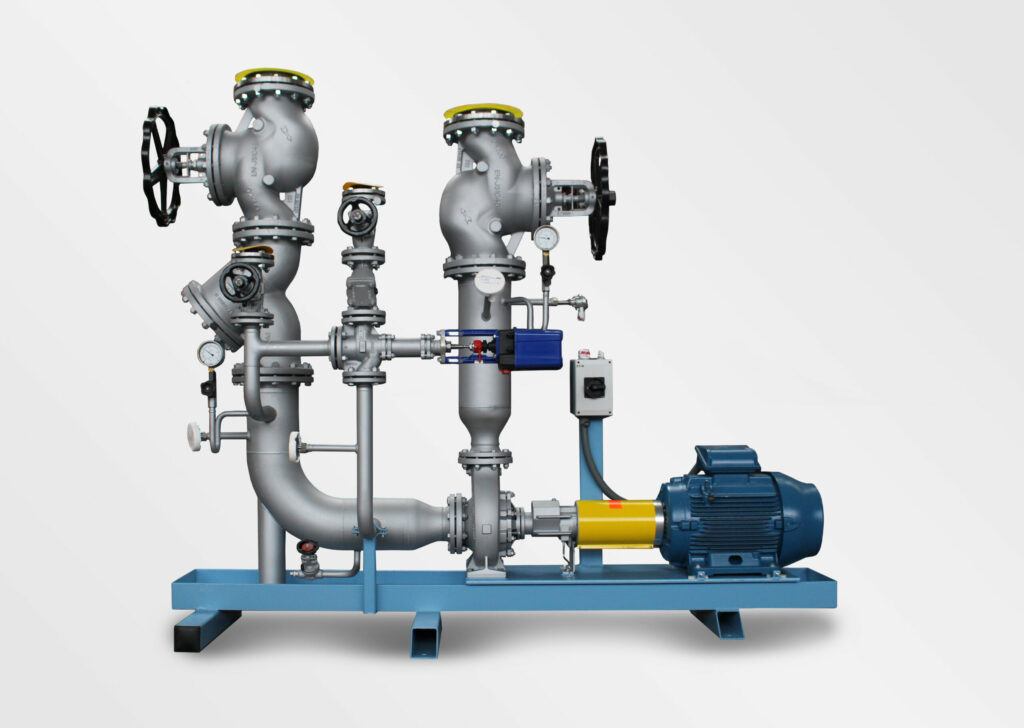
AURA develops and manufactures individually engineered secondary control circuits for thermal oil and water systems. Depending on the application, the systems can be equipped with an additional cooling function.

Technical specifications of AURA secondary control circuits

Primary heating medium: Thermal oil or water
Consumer medium: Thermal oil or water
Maximum operating temperature: Up to 400°C
Maximum flow rate: Up to 1,000 m³/h
Temperature control: Individual consumer temperature control
Optional equipment: Integrated cooling function
System design: Individually engineered
Integration: New and existing process heating systems

The actual configuration depends on the required operating temperatures, flow rates, heat transfer medium and process conditions.

How a secondary control circuit works

A secondary control circuit allows individual heat consumers to operate at different temperatures while using a common primary heat source. In the primary circuit, thermal oil or water is heated to the required supply temperature. The secondary circuit regulates the amount of thermal energy transferred to the connected consumer.

This is typically achieved through a combination of:

  • Temperature sensors
  • Control valves
  • Secondary circulation pumps
  • Automated temperature control

The control system continuously monitors the process temperature and adjusts the heat supply according to the required setpoint. Depending on the hydraulic configuration, the secondary circuit can mix heated primary fluid with cooler return fluid or regulate heat transfer through a suitable interface. This allows the temperature at the consumer to remain stable even when operating conditions change.


Example: Different temperatures from one heat source

An industrial production facility operates several heated presses. One press requires a constant temperature of 180°C, while another operates at 220°C. Instead of installing separate heat generators for each press, both consumers can be supplied by a common thermal oil heating system. Individual secondary control circuits regulate the temperature of each press independently. This enables different process temperatures while using the same primary heat source.

Frequently Asked Questions About Secondary Control Circuits

A secondary control circuit is an additional temperature control loop within an industrial process heating system.

It allows individual heat consumers to operate at precisely controlled temperatures independently of the primary heating circuit.

Precise process temperature control: Secondary control circuits allow the temperature to be regulated directly at individual heat consumers. This helps maintain stable process conditions and supports consistent product quality.

Independent temperature control: Different consumers can operate at different temperature levels, even when supplied by the same primary heating system.

Stable operation under changing loads: The control system adjusts the heat supply according to changes in process demand. This can reduce temperature fluctuations and improve process stability.

Heating and cooling in one system: Depending on the configuration, a secondary control circuit can include an additional cooling function. This enables controlled heating and cooling of connected process consumers.

Integration into existing systems: Secondary control circuits can be integrated into suitable existing thermal oil or water systems. This allows individual consumers to be supplied with controlled process heat without necessarily installing a separate heat generator.

Efficient use of existing heating capacity: By controlling the heat supply according to the actual demand, secondary circuits can help avoid unnecessary overheating. Potential energy savings depend on the overall system design and operating conditions.

Secondary control circuits are particularly suitable for industrial processes requiring precise temperature control or different temperature levels.

Industrial presses: Industrial presses require stable temperatures to maintain consistent processing conditions. Secondary control circuits allow individual presses to operate at different temperature levels while using a shared heat source.

Chemical reactors: Chemical reactions often require precisely controlled temperatures. A secondary circuit can help maintain the required process temperature even when heating demand changes.

Extruders: In plastics processing, extruders require controlled temperatures for reliable material processing. Depending on the application, heating and cooling functions can be combined to maintain suitable operating conditions.

Drying systems: Industrial drying processes require stable temperatures to achieve consistent drying conditions. Secondary control circuits can help maintain the required temperature at individual dryers.

Plastics processing: Different processing stages may require different operating temperatures. Secondary circuits allow the heat supply to be adapted to the requirements of each consumer.

Yes. Depending on the system design, a secondary control circuit can be equipped with an additional cooling function.

This allows the connected consumer to be heated or cooled according to the requirements of the production process.

Precise temperature control can help maintain stable production conditions.

This is particularly relevant for temperature-sensitive processes, where fluctuations may affect product quality or processing results.

The primary heating circuit provides thermal energy from the central heat source.

The secondary circuit regulates the temperature and flow conditions for an individual consumer or group of consumers.

This allows different temperature requirements to be met within one overall process heating system.

Yes, a secondary control circuit can often be added to an existing industrial process heating installation.

For example, an existing thermal oil system may have sufficient heating capacity to supply an additional process consumer.

However, the new consumer may require a different operating temperature from the primary circuit.

A secondary control circuit can provide the required temperature regulation without necessarily installing another heat generator.